
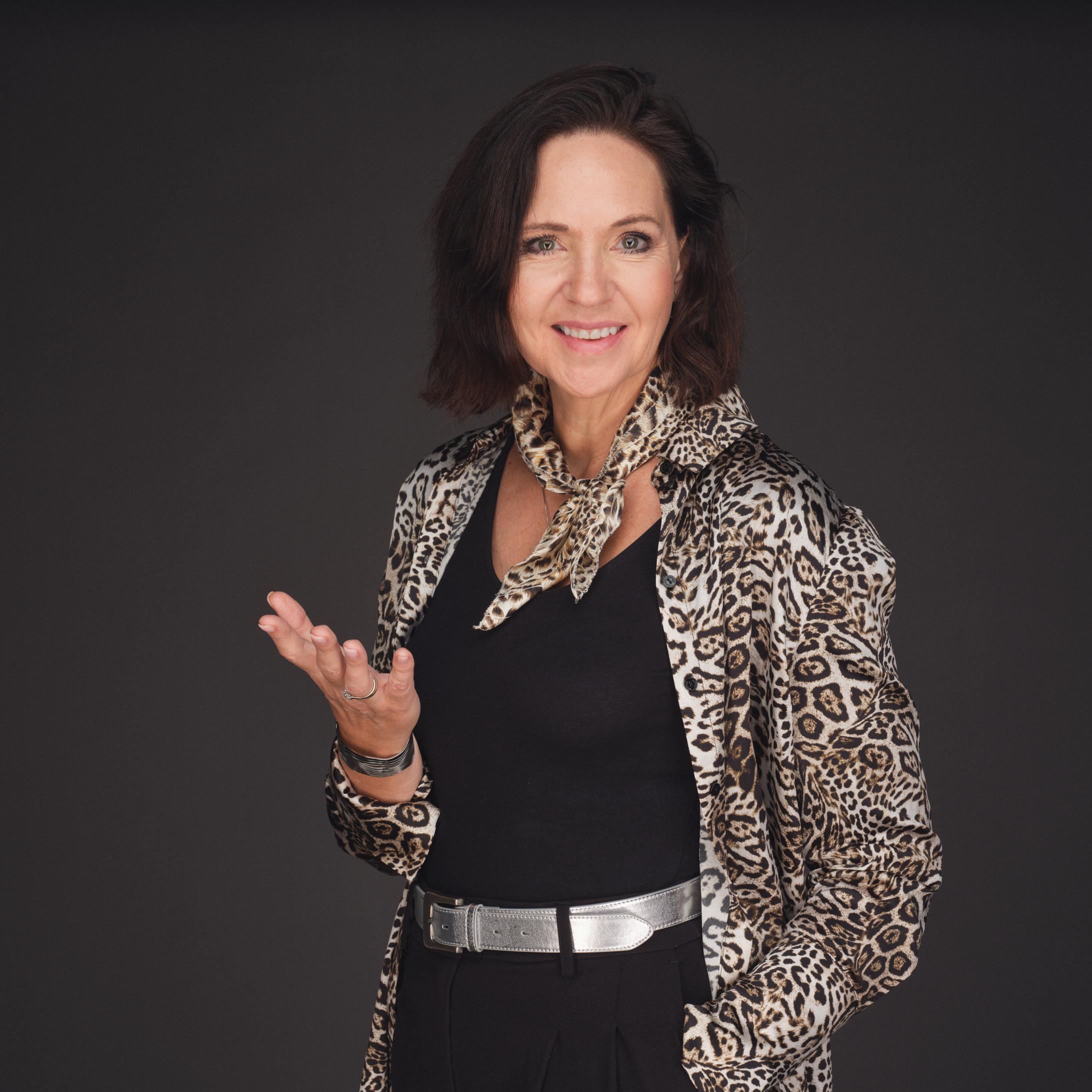
Author of this article: Sidsel Winther Storaas
Sidsel is founder and CEO of Storaas Quality Consulting AS, helping organisations navigate complexity through quality management, systems thinking, and leadership. With 25 years of experience in safety-critical industries, she designs management systems that strengthen decision-making, learning, flow, and organisational performance.
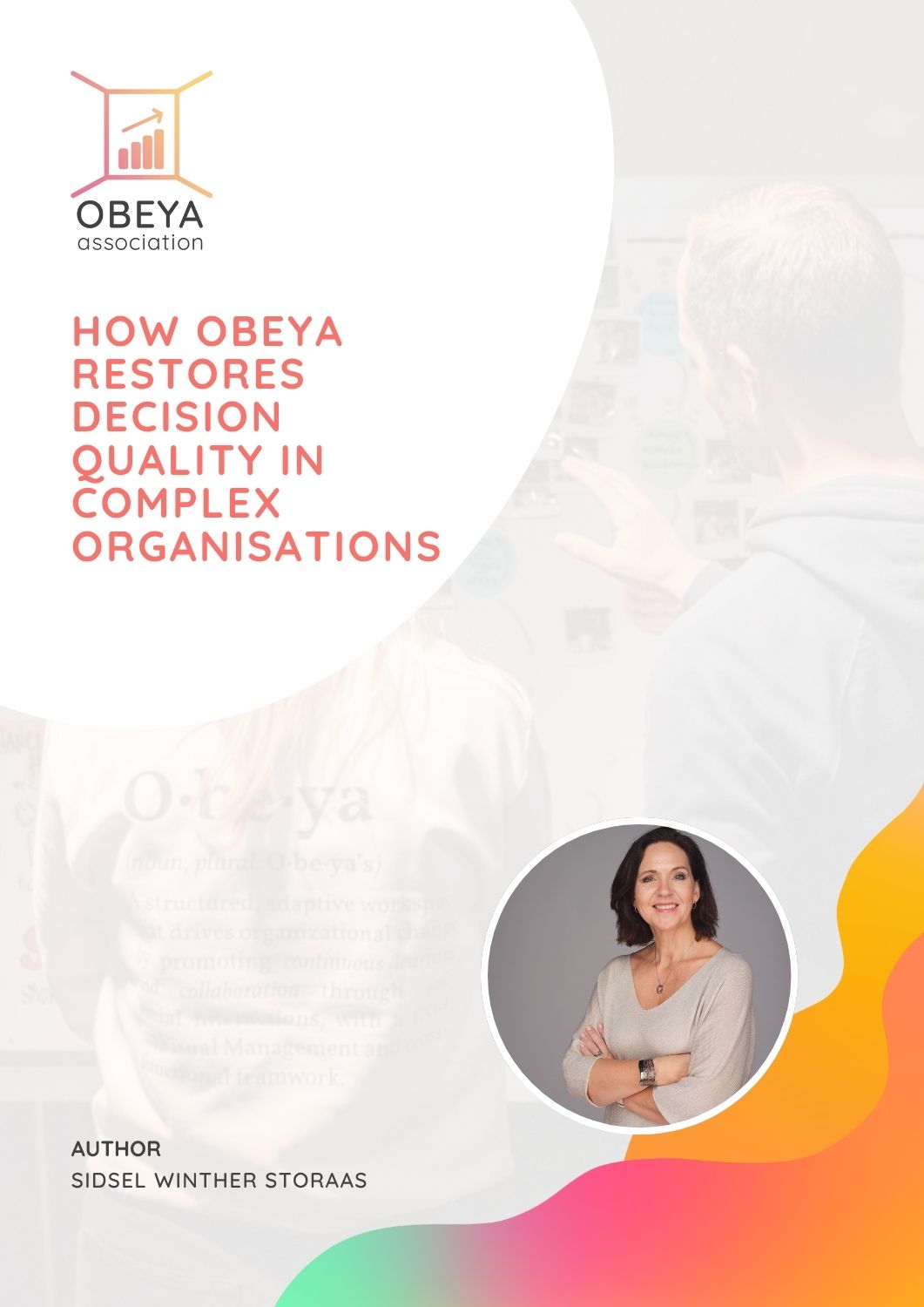
How Obeya Restores Decision Quality in Complex Organisations
The key question is whether decisions are actually made in the Obeya..
As complexity grows, the ability to decide clearly, quickly, and collectively becomes a decisive organisational capability. Yet in many organisations, important decisions still happen outside the room, after meetings, or between disconnected functions.
In this article, Sidsel Winther Storaas explores why many Obeya rooms improve collaboration, but fail to improve decision-making.
She positions Obeya not as a discussion space, but as a system for decision architecture, where priorities, ownership, and trade-offs become visible and actionable.
Environments deliberately designed so that:
- decisions are made where the work is visible
- ownership becomes explicit
- strategy and execution stay connected
- follow-up becomes part of the operating rhythm
What you’ll learn
- Why many Obeya rooms remain coordination spaces instead of decision arenas
- How unclear ownership and decision rights slow organisations down
- The difference between reporting rooms and management systems
- How Obeya improves alignment, accountability, and execution speed
Download the full article and read the full story
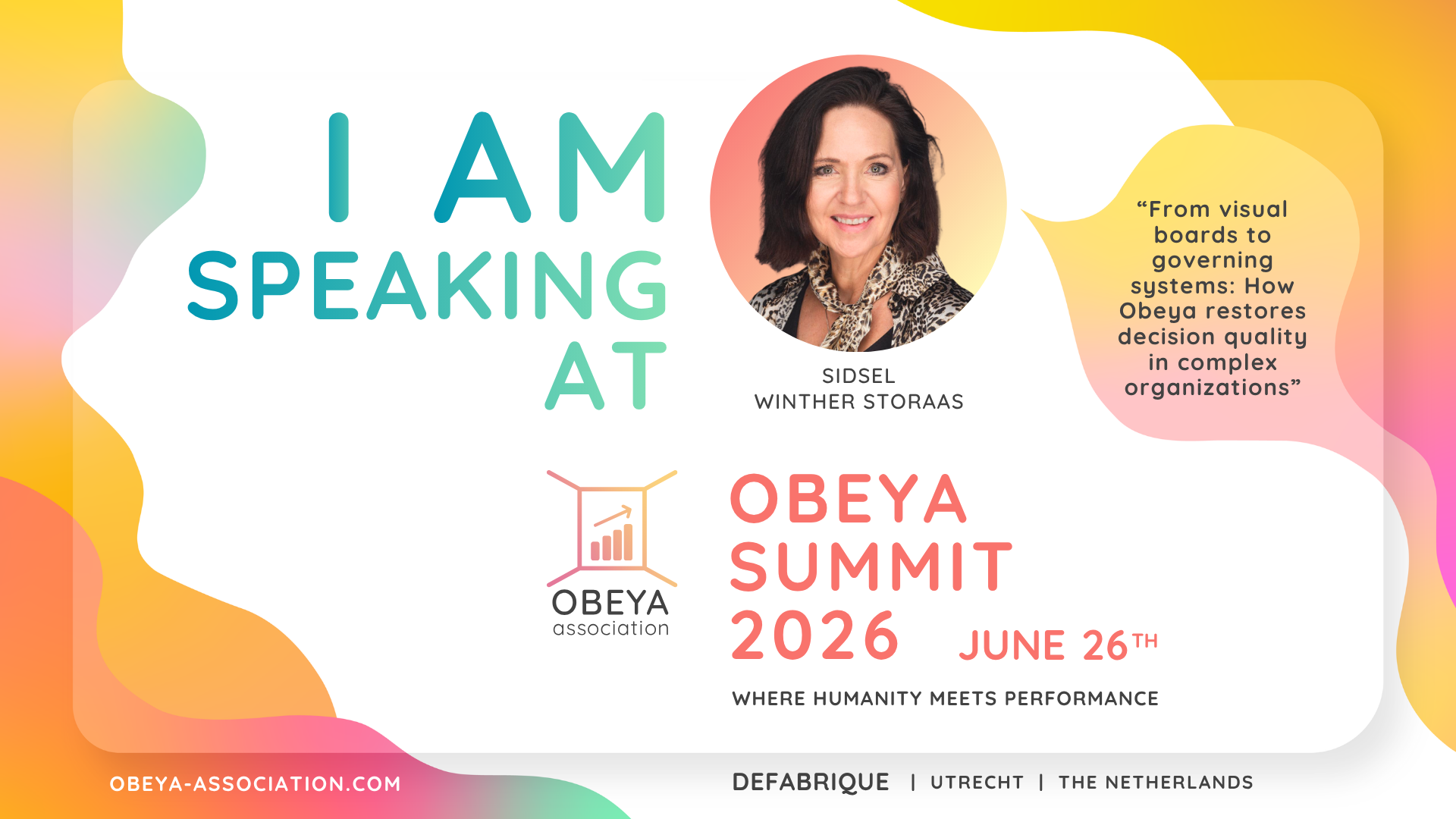
Sidsel will be speaking at the Obeya Summit on June 25–26, 2026.
Related Articles
Making the Invisible Visible – How Obeya Drives Safe Execution on Complex Capital Projects
Author of this article: Nynke Bel Nynke Bel is ...
Strategy Execution with Obeya-driven Portfolio Management
Author of this article: Felice Davies, Jelger Haanstra and ...

No Title – No Problem
Author of this article: Berrie Duijx Berrie Duijx is ...