

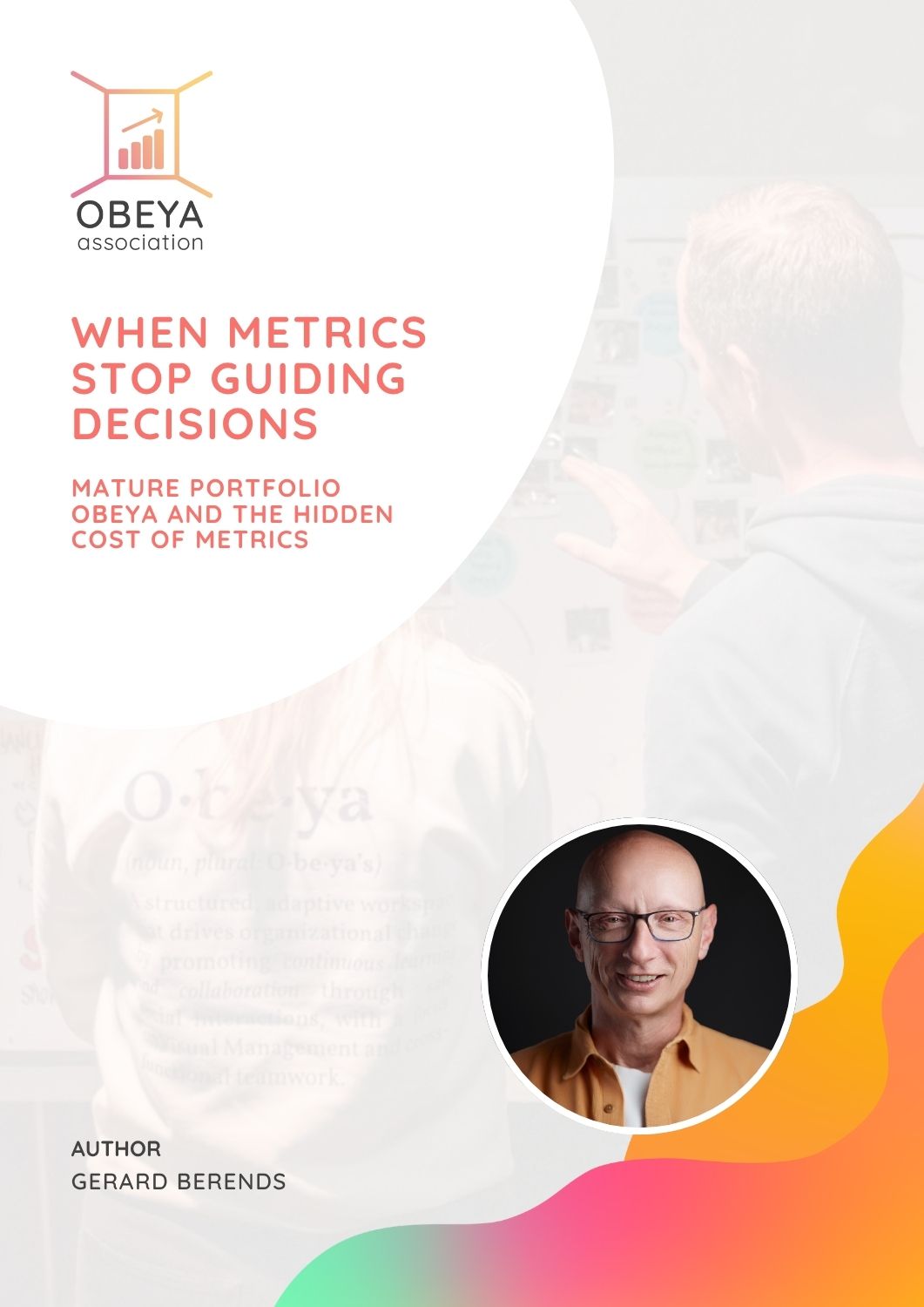
Author of this article: Gerard Berends
Gerard Berends has spent nearly twenty years watching organizations report progress on work that quietly stopped moving their strategy forward. Goals were set, metrics were tracked, and initiatives continued, while the harder question of whether to stop or reprioritize disappeared from the conversation.
As a strategy execution advisor, he now works directly on that gap. His work on portfolio-level Obeya governance examines why the hard choices stop getting made, how measurement systems quietly shift governance from deliberate choice to commitment management, and how executives can recognize when stopping and reprioritization have disappeared from the conversation, and how to bring them back.
When Metrics Stop Guiding Decisions
Mature portfolio Obeya and the hidden cost of metrics
Obeya Summit speaker Gerard Berends reveals how they achieved up to 8% improvement in Project Portfolio lead times by, well, by doing less.
This article explains how looking at metrics tell us how the work is proceeding, yet nobody asks whether it should be done at all. He rightfully points out a flow in regular portfolio governance:
That it is designed to optimise continuation, not reconsideration. Initiatives often continue long after their strategic relevance has disappeared.
Gerard calls these initiatives: Cold Cases
Work that keeps consuming capacity simply because nobody is explicitly asked whether it still deserves to exist.
What you’ll learn
- Why most portfolio metrics focus on execution, not relevance
- How mature portfolio Obeya environments unintentionally create “Cold Cases”
- Why stopping initiatives feels psychologically harder than continuing them
- How the “Existence Review” changes portfolio governance
- How organisations reduced lead times and dependencies by structurally reviewing strategic relevance
Download the full article and read the full story
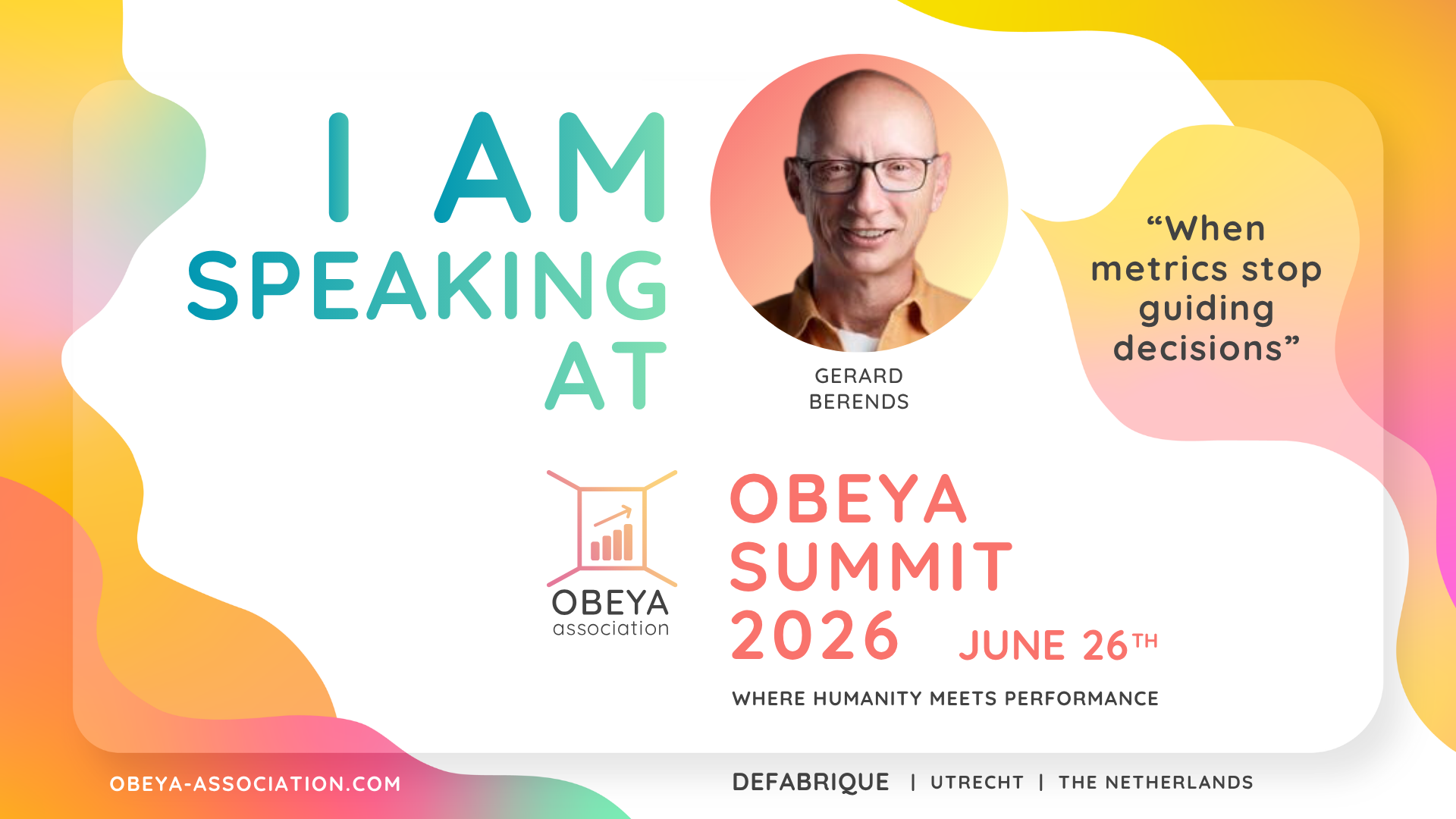
Gerard will be speaking at the Obeya Summit on June 25–26, 2026.

Related Articles

Making the Invisible Visible – How Obeya Drives Safe Execution on Complex Capital Projects
Author of this article: Nynke Bel Nynke Bel is ...

Strategy Execution with Obeya-driven Portfolio Management
Author of this article: Felice Davies, Jelger Haanstra and ...

No Title – No Problem
Author of this article: Berrie Duijx Berrie Duijx is ...